NFT Ticketing Explained: Stunning Disruption of Entertainment
Contents
NFT ticketing replaces traditional event tickets with blockchain-based tokens. Each ticket is a unique digital asset that can be issued, transferred, and verified without relying on vulnerable QR codes or fragile PDFs. Beyond access control, NFT tickets can carry perks, royalties, and collectibles that live beyond show night.
For fans, that means fewer scams and richer experiences. For organizers and artists, it means tighter control of resale markets and new revenue streams. The shift is already underway, but the details matter.
How NFT ticketing works
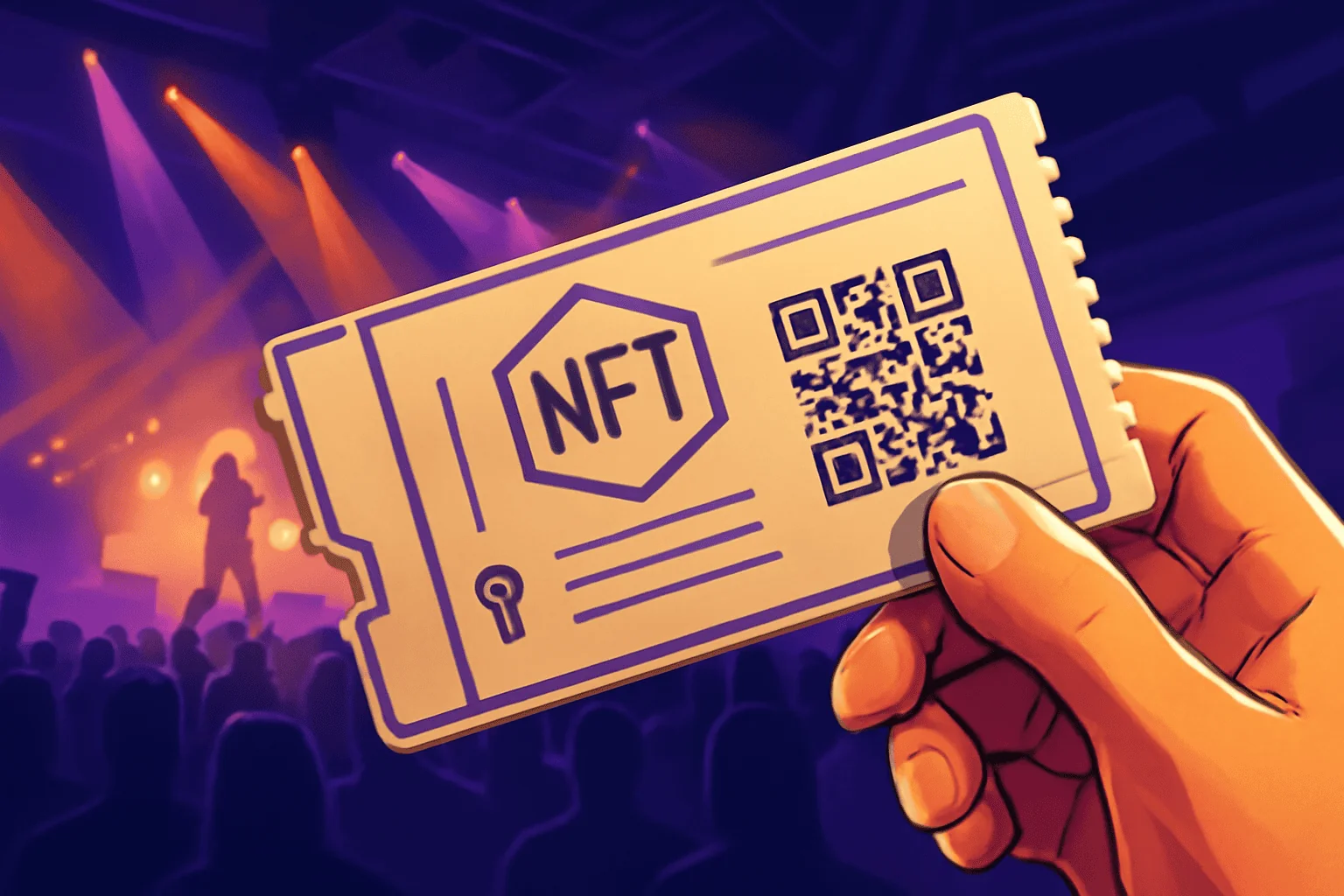
An NFT ticket is minted on a blockchain and mapped to a seat, section, or access tier. The event app or wallet displays the ticket and activates a dynamic code or on-chain proof at the gate. Transfers are handled as token transfers inside the official marketplace or via controlled smart contracts.
Think of a stadium show. A buyer purchases a General Admission NFT ticket on the organizer’s site. The ticket sits in a mobile wallet. On event day, a rotating validation code linked to the token ID is scanned. If the token hasn’t been flagged or already redeemed, the gates open. After the show, the NFT can transform into a commemorative collectible with artwork, behind-the-scenes clips, or airdropped merch coupons.
Why entertainment cares
Ticketing has long suffered from bots, fraudulent PDFs, and runaway scalping. NFT rails give promoters visibility into the full lifecycle of a ticket. They can throttle resales, cap markups, or share fees on secondary trades. Fans get provable authenticity and perks tied to the same token.
This is not just about crypto novelty. It’s about turning a perishable barcode into a programmable asset with policy baked in.
Core benefits at a glance
The value sits in programmability and provenance. Organizers, artists, and venues gain tools that paper and PDFs simply can’t offer.
- Authenticity and anti-fraud: On-chain provenance makes counterfeits harder to pass; gate systems can check token status in real time.
- Controlled resale: Smart contracts can enforce price ceilings, restrict resale windows, or limit transfers to verified buyers.
- Revenue sharing: A cut of every secondary sale can flow back to the organizer or artist automatically.
- Fan engagement: Tickets can evolve into collectibles, unlock future presales, or carry loyalty points.
- Data portability: With user consent, wallets can hold badges across events, enabling cross-venue rewards without messy CSVs.
These features won’t eradicate bad behavior overnight, but they shift the default from opaque markets to traceable, rules-based flows. A tour manager can finally see how many tickets moved on secondary and at what price.
Step-by-step: a typical NFT ticketing flow
To understand the machinery, it helps to zoom into each stage from issuance to post-event perks.
- Minting: The organizer mints a batch of NFT tickets on a chosen blockchain (e.g., Polygon, Flow) with metadata for seat, section, and terms.
- Primary sale: Fans buy through the official portal; tokens are delivered to a custodial or self-custody wallet linked to their account.
- Transfer and resale: If permitted, tickets can be listed on an official marketplace with price caps enforced by the contract.
- Entry validation: At the venue, scanners verify token ownership and redemption status, often via dynamic QR tied to the token ID.
- Post-event evolution: The ticket metadata can update—redeemed status flips, artwork changes, perks airdrop, or loyalty points accrue.
Each step adds control points. Policies are enforced at the contract level rather than through after-the-fact customer support scrambles.
Where NFT tickets make the biggest impact
Not every event needs advanced rails. But high-demand shows and multi-day festivals stand to gain the most, followed by sports, conferences, and VIP hospitality.
Concerts and festivals
High demand means high bot activity. Programmed transfer limits and identity checks can curb flipping. A summer festival might issue tiered NFTs: GA, VIP, and Backstage. VIP tokens could unlock early entry, exclusive merch claims, and a post-show Q&A session accessible via token-gated livestream.
Sports
Season ticket holders already value memorabilia. An NFT season pass can double as an evolving collectible—each game adds a highlight clip. If a holder sells a mid-season game, the club still receives a resale fee and keeps identity continuity.
Conferences and communities
Conference badges can act as credentials. A developer summit can verify attendance on-chain and grant future discounts or gated access to session recordings, keeping the community active year-round.
Potential risks and trade-offs
Disruption also means friction. The stack introduces new responsibilities around user experience, compliance, and sustainability.
- Onboarding friction: Not every fan uses crypto wallets. Custodial wallets and email logins reduce friction but add platform trust.
- Privacy: On-chain transparency can leak patterns. Good designs avoid storing personal data on-chain and use off-chain attestation.
- Scalability and fees: Peak demand spikes can stress networks. Layer-2s and batch minting can keep costs predictable.
- Regulatory questions: Resale restrictions, royalties, and KYC rules vary by jurisdiction. Platforms must align with local consumer laws.
- Device and access issues: Dead phones and poor connectivity at gates remain practical headaches, regardless of tech.
Each risk has mitigations, but they need discipline. The best systems hide blockchain complexity behind familiar flows and robust fallback options at the door.
NFT ticketing vs traditional ticketing
The differences crystallize around enforcement and lifecycle value. The table below summarizes the contrasts.
| Dimension | Traditional | NFT-Based |
|---|---|---|
| Authenticity | Barcodes/PDFs prone to duplication | On-chain provenance with real-time status |
| Resale Control | Limited, often after-market chaos | Smart contract rules and fee sharing |
| Fan Perks | Static, often email-based | Token-gated content and evolving collectibles |
| Data & Loyalty | Siloed databases | Portable wallet history (with consent) |
| Operational Visibility | Fragmented reporting | End-to-end lifecycle tracking |
This shift reframes tickets as programmable rights rather than disposable proofs. That opens doors for pricing innovation and long-term relationship building.
Design choices that matter
Technical and product decisions will determine whether NFT ticketing feels magical or maddening. A few levers make or break adoption.
- Chain selection: Prefer low-fee, eco-friendly networks with strong tooling. Many venues pick Polygon or Flow to balance speed and cost.
- Wallet UX: Offer both custodial (email/SMS) and self-custody options. Make export easy to avoid lock-in accusations.
- Dynamic validation: Use rotating QR codes linked to token ownership to deter screenshots and last-minute scams.
- Identity and KYC: For high-demand tiers, bind tickets to verified profiles with privacy-preserving checks instead of raw PII on-chain.
- Fail-safes: Provide offline queues, battery packs at gates, and a support desk for edge cases like broken screens.
A small scenario: a venue runs a power-metal show with 10,000 standing tickets. To reduce congestion, the app pre-validates token status in the queue, then flashes a time-limited code at the turnstile. Transfers are locked two hours before doors to stop last-minute flipping.
Economic implications
Programmable resale reshapes incentives. Artists who once saw value slip to scalpers can claw back revenue through royalties or dynamic ceilings. Venues can experiment with time-based pricing, offering cheaper early tickets that convert into higher-tier perks if unsold inventory remains.
Secondary transparency also improves forecasting. If 25% of floor tickets consistently move at a premium on Fridays, promoters can adjust release schedules. Sponsors might tie benefits to on-chain attendance streaks rather than raw clicks.
What adoption could look like over the next few years
Expect hybrid systems first. Many events will issue NFT tickets under the hood while presenting a familiar mobile pass. The crypto jargon fades; the benefits remain.
- Pilot phases: Select shows, VIP tiers, and conferences adopt NFTs for perks and controlled resale.
- Integration wave: Major ticketing platforms add “web3 mode” with custodial wallets and token-gated benefits.
- Mainstream normal: Fans think in terms of “smart tickets” that hold rewards, with optional collectibles after the show.
Seen from the stands, the technology becomes ambient. What remains is smoother entry, fairer markets, and better fan relationships.
Practical tips for organizers ready to test
Small, contained pilots build confidence. Start with one show and clear, measurable goals.
- Choose a low-fee chain and a vendor with venue integrations.
- Define resale rules early: caps, windows, and fee splits.
- Keep onboarding simple: email sign-in, clear help guides, and a hotline day-of-show.
- Reward participation: post-event collectibles or unlocks for early adopters.
- Measure ruthlessly: entry times, fraud attempts blocked, resale volume, and fan satisfaction.
If the data beats your current baseline, scale gradually. If it doesn’t, iterate on UX before rolling out to full tours.
Bottom line for fans
Expect fewer sketchy listings and more meaningful extras. Your ticket may hold future discounts, early access, or a highlight reel from the night you were there. Keep your wallet secure, enable 2FA if available, and use official links for transfers.
Entertainment doesn’t change overnight, but ticketing is ripe for a smarter foundation. NFT rails, implemented with care, can turn a forgettable barcode into a lasting piece of the show.