Contents
How NFTFi Works at a Glance
Traditional DeFi uses fungible tokens like ETH or stablecoins. NFTFi adapts similar mechanisms to unique tokens (ERC-721/1155), adding valuation models, on-chain escrows, and market-specific risk controls. The core idea is simple: lock an NFT in a smart contract and unlock liquidity or utility in return.
Main Building Blocks of NFTFi
The ecosystem clusters around a few product types. Each solves a practical problem NFT holders face: illiquidity, pricing uncertainty, or utility gaps.
- Collateralized lending: Borrow ETH or stablecoins by pledging an NFT. If you repay on time, you get the NFT back; if not, the lender can claim it.
- Peer-to-peer loans: A lender proposes terms for a specific NFT; the borrower accepts. Deals are custom and transparent on-chain.
- Peer-to-pool loans: Liquidity pools fund loans using floor prices and automated risk parameters. Borrowing is instant but more conservative.
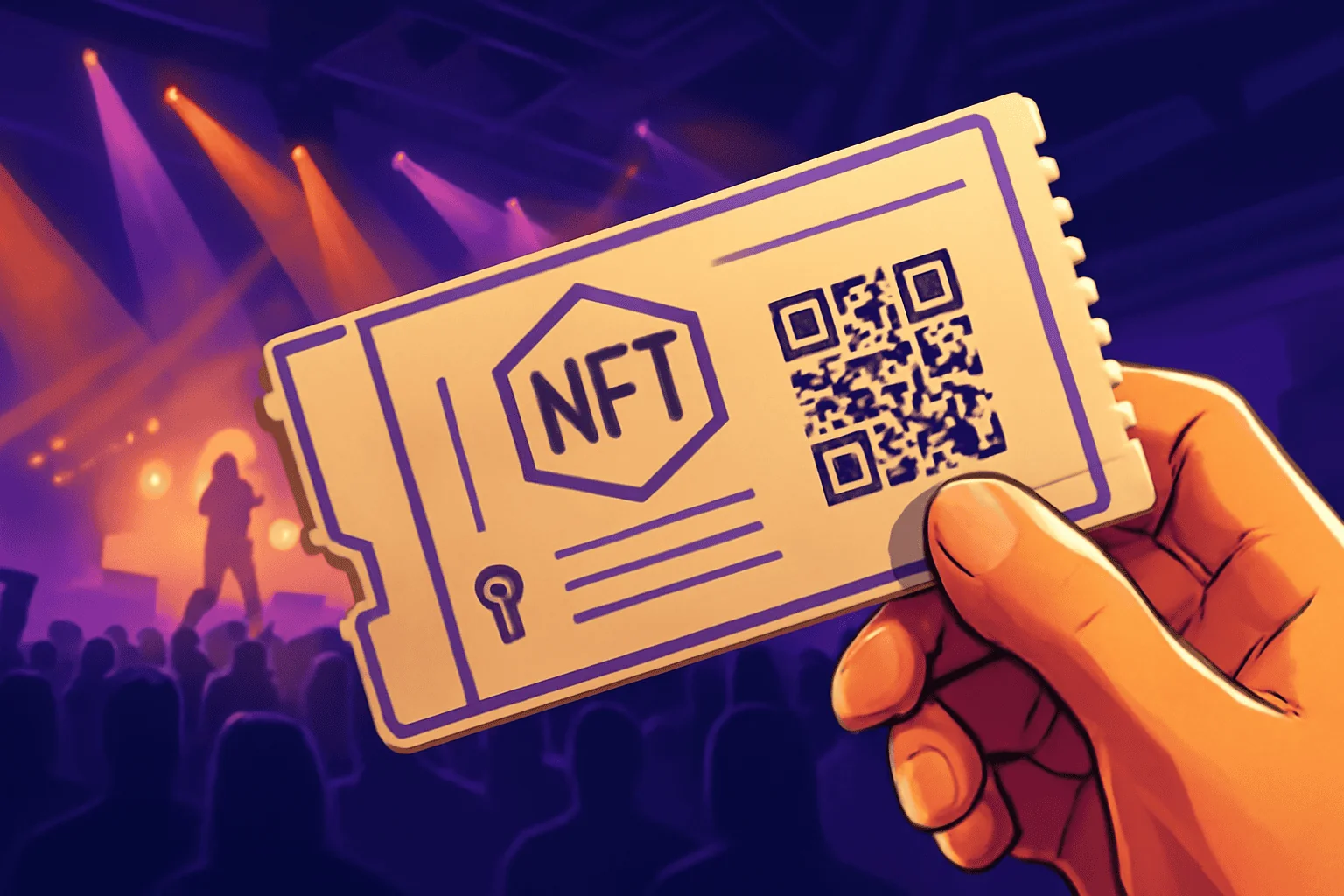
- Renting and utility marketplaces: Temporary access to an NFT’s utility—like token-gated communities, in-game items, or allowlist spots—without transferring full ownership.
- Fractionalization: Split an NFT into fungible shards, enabling shared ownership and easier price discovery.
- AMMs and liquidity for NFTs: Automated market makers quote bids/asks for collections, improving exit routes for traders and enabling index strategies.
These primitives can be combined. For example, a user might fractionalize an NFT and deposit the shards into a liquidity pool, all while a separate vault earns fees from renting the original’s utility.
Why NFTFi Emerged
NFTs boomed, then holders realized most of their wealth was trapped in illiquid JPEGs or game assets. NFTFi lets you do something with them—fund new purchases, smooth cash flow, or run trading strategies—without forcing a sale. It also brings discipline: pricing, risk limits, and repayment schedules.
Typical User Journeys
Practical scenarios show where NFTFi clicks:
- A gamer borrows stablecoins against a rare sword to pay tournament fees, repays two weeks later from prize winnings, and retrieves the item.
- An artist fractionalizes a 1/1 piece into 10,000 shards, lists a portion on a DEX, and grows a community of co-owners who trade exposure.
- A collector rents out a membership NFT for 30 days, collects a fee, and retains long-term ownership and voting rights.
These moves unlock liquidity without severing emotional or strategic ties to the assets. Timing counts: lending into a hot market feels different than during a drawdown.
Core Mechanics and Risks
Under the hood, NFTFi relies on smart contracts that escrow assets, calculate interest, and enforce liquidation rules. The novel part is pricing: a single NFT can swing far from a collection’s floor, so protocols use different signals to guard against mispricing.
| Risk | What Can Go Wrong | Mitigation Patterns |
|---|---|---|
| Valuation error | Overcollateralized loans turn undercollateralized if floor prices drop | Lower LTVs, time-weighted floors, oracle blends, conservative collection whitelists |
| Liquidity crunch | Liquidations fail if buyers vanish during volatility | Instant-bid AMMs, auction backstops, dynamic interest rates |
| Smart contract bugs | Escrowed NFTs or funds get stuck or drained | Audits, battle-tested libraries, bug bounties, pause switches |
| Rug or metadata risk | Collection loses value due to team issues or broken art links | Collection due diligence, on-chain metadata, diversified exposure |
| Counterparty risk | P2P lender or borrower defaults or disappears | Non-custodial escrow, automated liquidation, reputation layers |
No mechanism erases risk entirely. Good protocols limit tail risk through stricter loan-to-value ratios, fees that adjust with volatility, and auctions that clear quickly even in thin markets.
Key Concepts to Understand
A few terms recur across platforms. Getting them straight helps you compare options.
- LTV (Loan-to-Value): The ratio of your loan to the NFT’s quoted value. A 30% LTV on a 10 ETH NFT means a 3 ETH loan.
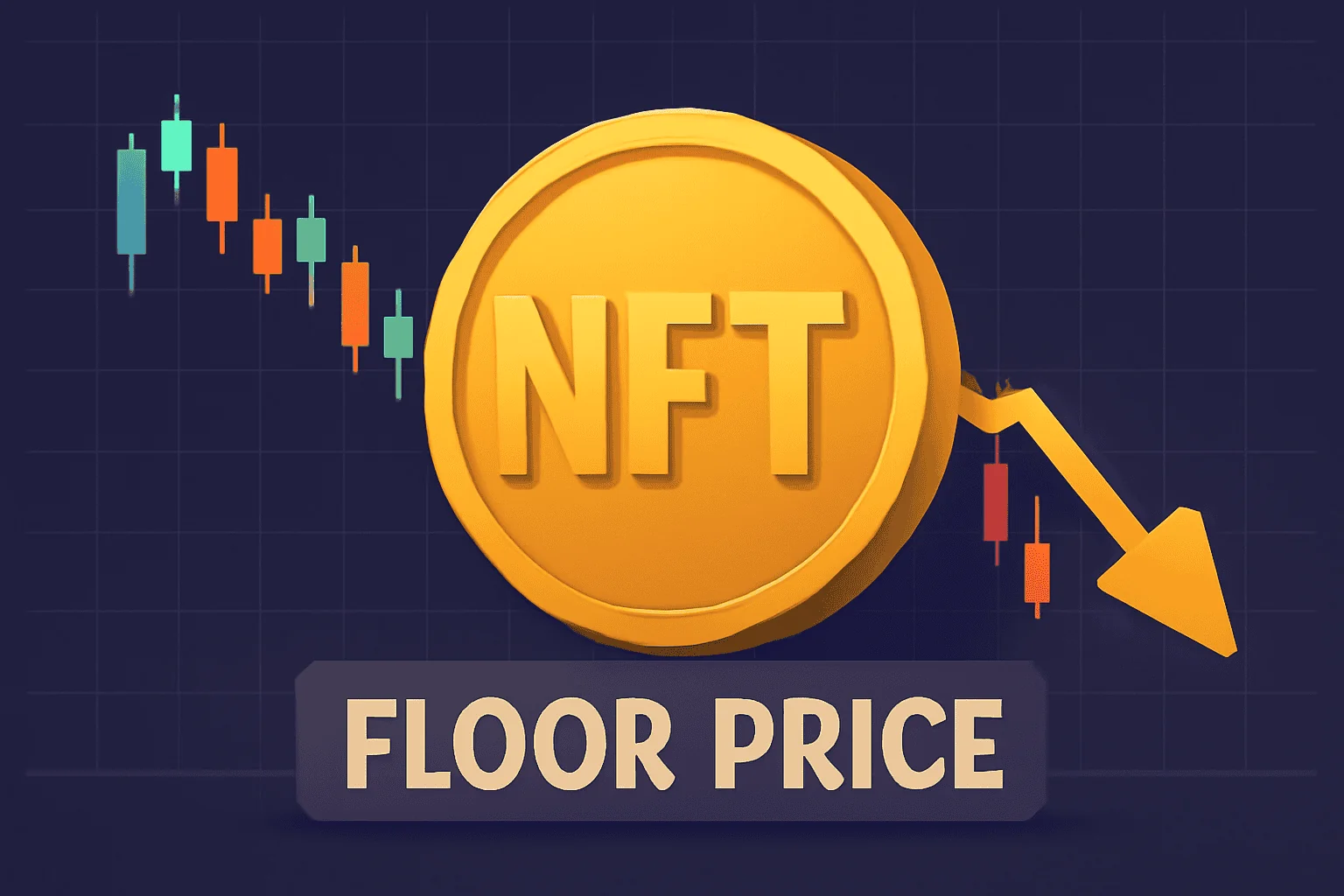
- Floor price vs. trait premium: Floors anchor most pricing. Rare traits add premiums, but many protocols ignore them to avoid outliers.
- Liquidation: If the collection’s price falls or you miss payment, the NFT can be seized or auctioned to cover the debt.
- Oracle sources: How a protocol reads prices: sales data, AMM quotes, TWAPs, or oracle networks. Each has trade-offs.
- Rental rights: Some systems separate “use” from “ownership,” creating time-bound utility tokens while locking the original NFT.
Once you grasp these moving parts, you can scan a loan page and quickly assess whether the terms fit your risk appetite.
Who Uses NFTFi—and Why
Different cohorts lean on different features:
- Collectors: Access liquidity without selling grails; rotate into new mints; cover taxes or life expenses.
- Traders: Short-term loans to amplify positions; use AMMs for quick exits; arbitrage floor mispricings.
- Creators and DAOs: Fractionalize to broaden ownership; fund development; bootstrap community liquidity.
- Gamers: Rent high-tier items or characters for tournaments; monetize idle assets between seasons.
Motivations vary, but the theme is utility. Idle assets start to carry their weight.
Practical Steps to Get Started
You don’t need to be a solidity wizard to try NFTFi. A methodical approach keeps you safe.
- Choose your goal: Borrow cash, earn yield via lending, rent assets, or diversify with fractions.
- Research collections: Check holder distribution, recent sales, and roadmap delivery. Thin markets mean harsher terms.
- Compare platforms: Look for audits, time in market, and clear liquidation mechanics. Read FAQs, not just headlines.
- Start small: Test with a lower-value NFT or a short loan duration. Track fees and repayment schedule.
- Monitor actively: Set alerts for floor moves. Extend, repay early, or add collateral if the market wobbles.
Treat the first few attempts as paid lessons. Once you understand the knobs—LTV, interest, duration—you can scale with more confidence.
Where NFTFi Is Heading
The frontier is shifting from collectibles to utility-heavy assets. Game items, music rights, domain names, real-world tokenized assets, and creator memberships all fit NFT rails. As data oracles improve and liquid markets mature, expect more standardized lending, insurance overlays, and credit-like scoring for wallets.
Two near-term trends stand out: composability and abstraction. Composability lets you stack features—rent an NFT, then use its rental token as collateral elsewhere. Abstraction hides complexity behind clean interfaces so a user just sees “Borrow against pass” while the protocol handles escrows, oracles, and auctions under the hood.
Tips for Sensible Participation
A few guardrails help avoid costly mistakes, especially in volatile cycles.
- Favor shorter loan terms in choppy markets; roll them if needed.
- Keep LTV conservative; a 20–35% range leaves room for drawdowns.
- Use collections with deep liquidity and active bids, not solely rare traits.
- Read the liquidation policy twice—triggers, grace periods, and fees.
- Back up wallet keys and verify contract addresses from official sources.
Small frictions—like setting price alerts or bookmarking official links—prevent large errors. A missed repayment by one hour can cost a prized asset.
Bottom Line on NFTFi’s Value
NFTFi turns ownership into optionality. Instead of choosing between holding and selling, you gain a middle path: borrow, rent, or split exposure while keeping a stake in the upside. The tools are still maturing, but the direction is clear—more liquidity, clearer pricing, and wider utility for NFTs across culture, gaming, and beyond.