NFT fashion refers to digital clothing and accessories minted as non-fungible tokens—unique assets recorded on a blockchain. These pieces can be worn in...
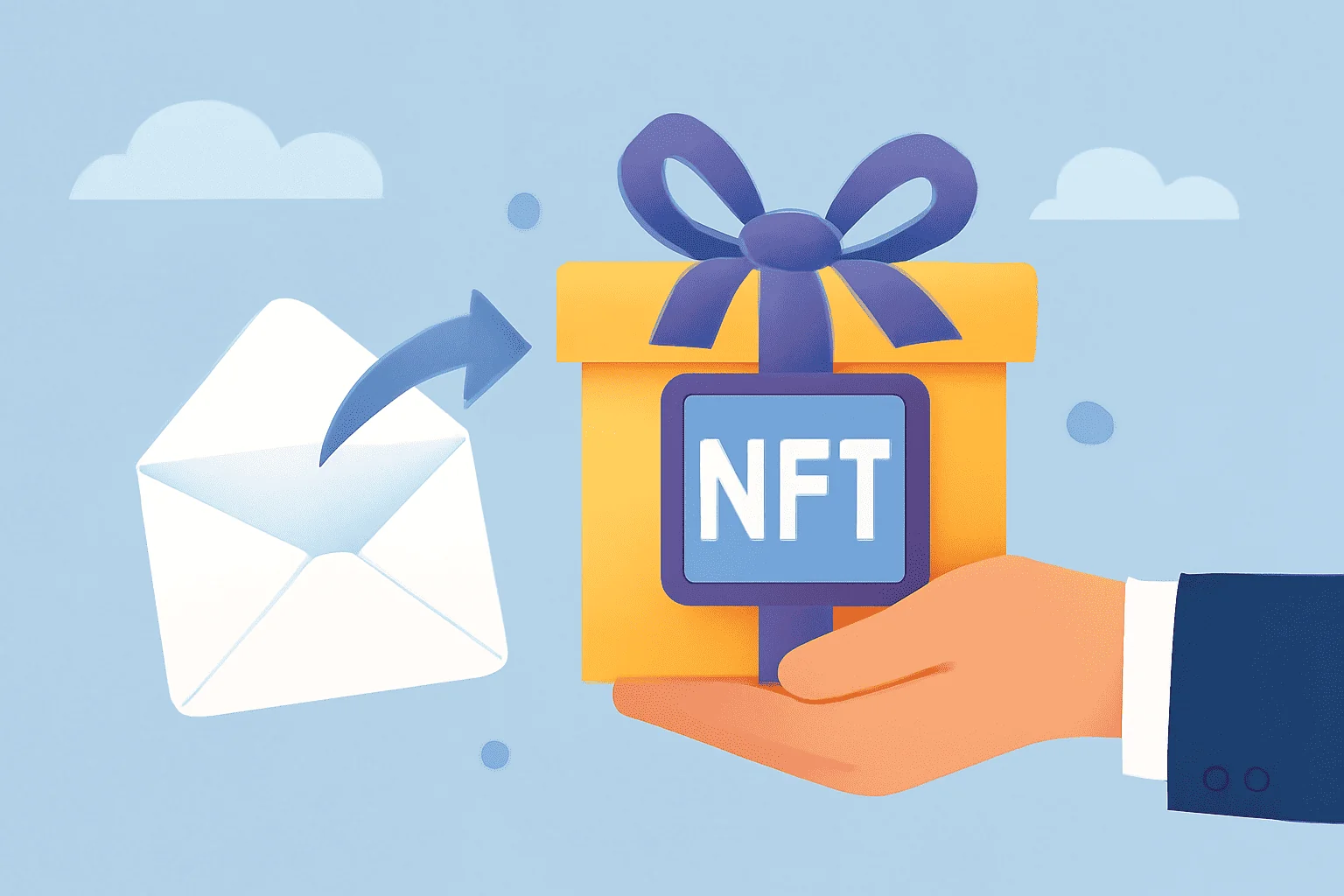
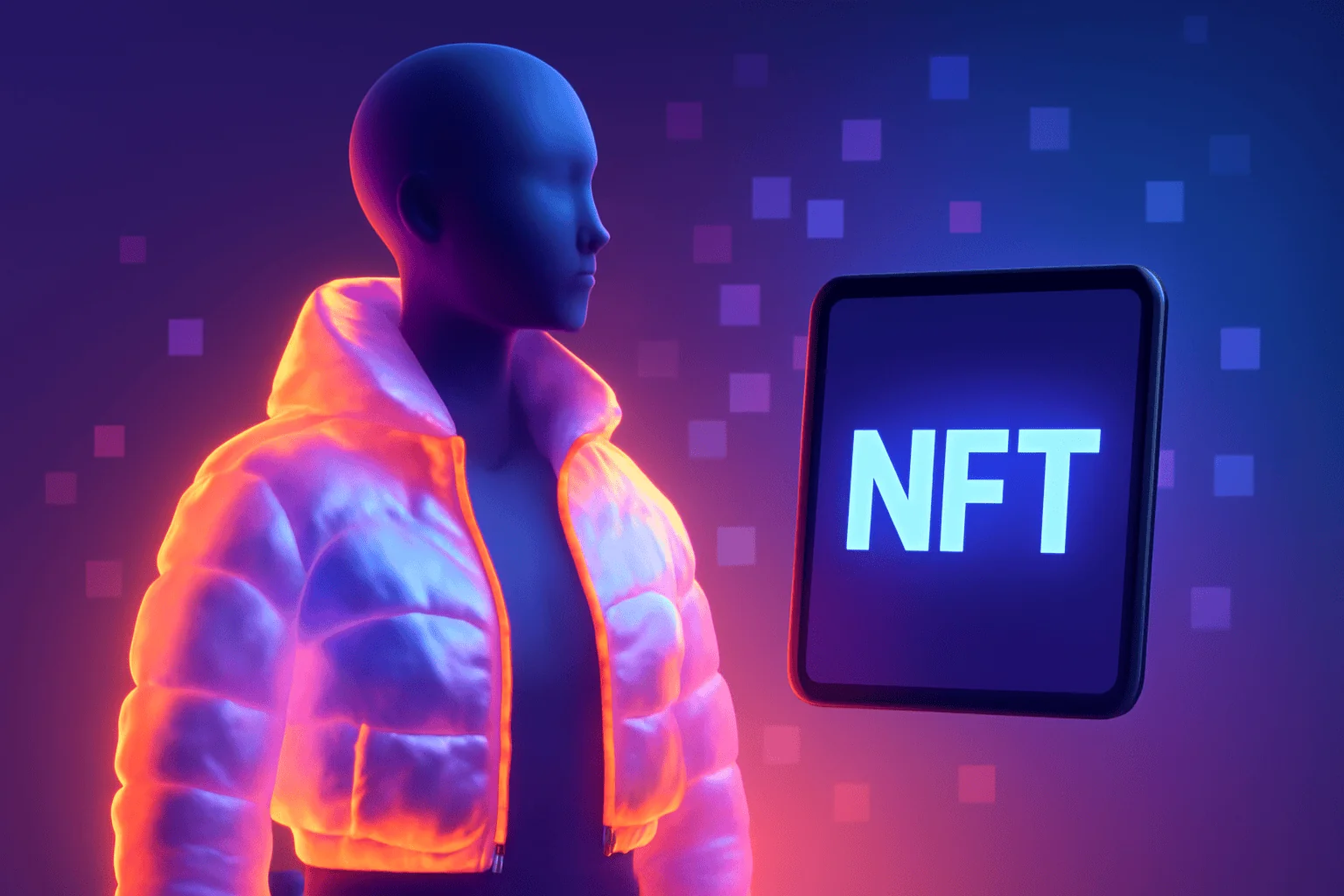
NFT fashion refers to digital clothing and accessories minted as non-fungible tokens—unique assets recorded on a blockchain. These pieces can be worn in virtual spaces, linked to physical garments, or used as proof of ownership and authenticity. The idea blends culture, gaming, art, and commerce in a way traditional fashion hasn’t managed at scale.
Two questions define the space: can digital fashion create real value for wearers, and can brands build durable business models around it? Early signals suggest yes—within limits.
<h2>How NFT Fashion Works, in Plain Terms</h2>
<p>Think of an NFT garment as a digital file with a receipt that can’t be forged. The image or 3D model sits on a server or decentralized storage, while the blockchain record points to it and tracks ownership. That record is portable: the same NFT can move between wallets and compatible apps.</p>
<p>In practice, NFT fashion appears in three forms:</p>
<ul>
  <li>Pure digital wearables for avatars in games and virtual worlds.</li>
  <li>Phygital items: a physical piece paired with a matching NFT for verification, perks, or resale tracking.</li>
  <li>Dynamic items that change over time, unlocking new visuals or utilities based on events.</li>
</ul>
<p>A small example: a limited-edition sneaker drop includes an NFC tag in the shoe that links to an NFT. Scan it to prove authenticity, get a token-gated invite to a pop-up, and claim a matching AR filter for your social posts. The shoe is scarce in the real world; the NFT carries the digital and social layers.</p>

<h2>Why Brands Care</h2>
<p>Fashion houses, sportswear giants, and independent designers see four advantages: verified scarcity, programmable loyalty, new revenue streams, and global reach at low marginal cost. Digital capsules cost less to produce than physical lines, and they move without inventory risk. A single creator can ship a runway concept as a 3D wearable overnight.</p>
<p>Collectors gain provable ownership, tradable value, and identity signals that travel across apps. If a hoodie skin works in three metaverse platforms and shows up in your profile wallet, the owner’s sense of status increases. That status loop is the beating heart of fashion.</p>

<h2>Where People Actually Use NFT Fashion</h2>
<p>Utility defines staying power. Real usage clusters around a few environments and behaviors.</p>
<ol>
  <li>Avatar platforms: Users buy branded skins and accessories in virtual worlds and games, from open metaverse projects to mainstream titles adding wallet support.</li>
  <li>AR try-ons and social content: Filters apply NFT garments onto photos or video, turning a limited drop into a shareable look.</li>
  <li>Token-gated perks: Holders access exclusive colorways, early shopping windows, or physical events by connecting a wallet at checkout or the door.</li>
  <li>Authentication for resale: Phygital pairs help resale markets reduce counterfeits by linking the item to an on-chain record of provenance.</li>
  <li>Micro-patronage for designers: Independent creators mint small runs to fund new collections, offering royalties and behind-the-scenes access.</li>
</ol>
<p>Picture a streetwear fan who holds a jacket NFT. They wear the digital version in a game stream, get a code for a limited physical patch drop, and resell the NFT later to a collector who missed the original release. Each step is native to how fashion already spreads—drops, flex, resale—just with programmable receipts.</p>

<h2>What Makes NFT Fashion Different From Skins We Already Had?</h2>
<p>Skins have existed for years inside walled gardens, but they are locked to a single platform and can’t be resold freely. NFTs add:</p>
<ul>
  <li>Interoperable ownership: The asset lives in your wallet, not just in one game account.</li>
  <li>Secondary markets by default: Buyers and sellers can trade without the original platform’s permission.</li>
  <li>Royalties (where supported): Creators can receive a cut from secondary sales via marketplace logic or contracts.</li>
  <li>Proof beyond pixels: The same token can unlock physical goods, memberships, or experiences.</li>
</ul>
<p>Interoperability remains uneven. Different engines, avatar rigs, and IP rules limit what “portable” means today. Yet the direction is clear: wallets are becoming identity layers that fashion can attach to.</p>

<h2>Sustainability Claims: Strong and Weak Points</h2>
<p>Digital fashion dodges fabric waste and shipping, but it isn’t footprint-free. Blockchain networks vary: proof-of-stake chains significantly cut energy use, while proof-of-work chains are heavier. File storage, rendering, and the physical half of phygital items all add emissions.</p>
<p>The most credible sustainability cases look like this: mint on energy-efficient chains, store media on decentralized systems, publish lifecycle data, and use NFTs to reduce returns or authenticate resale. Empty claims—“green by default”—won’t fly with informed buyers.</p>

<h2>Risks, Rights, and Regulation</h2>
<p>Owning an NFT does not automatically grant IP rights beyond personal use. License terms govern what holders can do with the art and brand marks. Some collections allow commercial use up to a revenue cap; others prohibit derivative works entirely.</p>
<p>Important risk areas to understand:</p>
<ul>
  <li>Platform dependency: If a marketplace delists a collection or a game drops support, utility shrinks.</li>
  <li>Smart-contract quirks: Royalties can be bypassed on certain venues; metadata can break if hosting changes.</li>
  <li>Consumer protection: Refunds, disclosures, and marketing rules apply even if the product is digital-only.</li>
  <li>Securities and tax: Some jurisdictions may classify certain token structures as financial products; taxable events occur on sales.</li>
</ul>
<p>Brands that publish clear licensing, store assets responsibly, and avoid financial-engineering gimmicks earn trust faster. That’s the difference between a fashion product and a speculative token.</p>

<h2>Who’s Building What: A Quick Snapshot</h2>
<p>Activity spans luxury houses, sportswear, and indie studios. The last two years brought experiments across drops, gaming collabs, and phygital tagging.</p>
<table>
  <caption>Common NFT Fashion Models at a Glance</caption>
  <thead>
    <tr>
      <th>Model</th>
      <th>Main Value</th>
      <th>Where It Works</th>
      <th>Key Risk</th>
    </tr>
  </thead>
  <tbody>
    <tr>
      <td>Pure Digital Wearables</td>
      <td>Status and self-expression</td>
      <td>Metaverse platforms, AR social</td>
      <td>Limited interoperability</td>
    </tr>
    <tr>
      <td>Phygital Authentication</td>
      <td>Anti-counterfeit, provenance</td>
      <td>Luxury, resale markets</td>
      <td>Tag tampering, custody gaps</td>
    </tr>
    <tr>
      <td>Token-Gated Commerce</td>
      <td>Loyalty, early access</td>
      <td>Streetwear, fandom drops</td>
      <td>Overcomplication for buyers</td>
    </tr>
    <tr>
      <td>Dynamic NFTs</td>
      <td>Ongoing engagement</td>
      <td>Seasonal collections</td>
      <td>Tech upkeep and costs</td>
    </tr>
  </tbody>
</table>
<p>The strongest launches pair a clear cultural story with straightforward benefits. If buyers must read a whitepaper to understand their jacket, the drop will stall.</p>

<h2>What Needs to Happen for Real Transformation</h2>
<p>For NFT fashion to reshape the industry rather than remain a novelty, a few things must align. These aren’t moonshots; they’re execution targets that teams can plan against.</p>
<ol>
  <li>Smoother onboarding: Email wallets, gas abstractions, and simple payments so anyone can claim a wearable in seconds.</li>
  <li>Better interoperability: Shared avatar standards and conversion pipelines that make “wear anywhere” more than a promise.</li>
  <li>Transparent licensing: Consistent rights frameworks that buyers actually read and understand.</li>
  <li>Reliable storage: Pin media to decentralized storage and monitor integrity; don’t rely on a single server.</li>
  <li>Clear value loops: Tie NFTs to rewards, services, or communities that are alive six months later.</li>
</ol>
<p>Imagine buying a digital jacket with Apple Pay, it appears in your wallet instantly, works across two social apps and one game, and gets you a monthly members-only livestream with the designer. No jargon, obvious value. That’s the adoption unlock.</p>

<h2>Will NFT Fashion Transform the Industry?</h2>
<p>Transformation is already underway in niches that map closely to digital culture: gaming-adjacent communities, streetwear collectives, and luxury authentication. The mass market will move slower. Most shoppers won’t care about blockchains; they’ll care about access, identity, and trust.</p>
<p>Expect three durable shifts:</p>
<ul>
  <li>Authentication becomes standard: High-value items will ship with tamper-resistant tags tied to NFTs.</li>
  <li>Loyalty turns on-chain: Wallets double as membership cards, with perks that carry across seasons.</li>
  <li>Digital-first collections: Some capsules will exist only as wearables and AR layers, with zero physical run.</li>
</ul>
<p>This doesn’t erase traditional fashion. It widens the canvas. Brands that treat NFTs as design materials—rather than as speculative tokens—will set the tone for the next phase.</p>

<h2>Practical Next Steps for Brands and Creators</h2>
<p>A focused pilot beats a flashy roadmap. Start small, measure, and iterate with your community.</p>
<ol>
  <li>Define a single use case with clear value: authentication, access, or digital wearability.</li>
  <li>Choose an energy-efficient chain with wallet UX your audience can handle.</li>
  <li>Write human-readable licenses; state holder rights on the mint page.</li>
  <li>Ship an AR try-on or in-game integration to show immediate utility.</li>
  <li>Plan post-mint support: events, content, or rewards for at least one season.</li>
</ol>
<p>When a drop feels like a conversation rather than a cash grab, communities respond. That is the timeless part of fashion, whether stitched in fabric or coded on-chain.</p>